
The Receptionist Office II
BUSINESS STUDIES FOR JSS2 FIRST TERM
SUB -THEME: EFFECTIVE OFFICE PRACTICE
WEEK 3:
The Receptionist Office II
Performance objectives:
The student should be able to:
- State how to treat visitors
- Explain appropriate office dress code
- Outline procedures for answering a telephone
- Identify and design a visitor’s book
- Request form
- Telephone pad
Content:
How to receive and treat visitors
- Always be polite and welcoming.
- Keep your conversation as brief as possible, without sounding rude or in a hurry.
- Make sure you know how to effectively operate your telephone.
Tips for Answering Telephone Calls
- Be organized. Have everything required ready, like your pen, desk pads, message book, etc.
- “Who may I say is calling?” Will be a good way to find out the caller’s name.
- Ask the caller how you may help or what his problem is. Listen attentively and do not interrupt.
- Thank the caller for calling.
- Pass on the message accordingly and in time too.
Appropriate Office Dress Code
There is four typical corporate dress code:
-
- Business formal: This is the highest level of professional dress.
- Business Professional: A step down from professional. A little loose and conservative.
- Business casual: It is one of the more dress code. Allowing an employee to add personality to their workwear without looking unprofessional.
- Casual: If you are fortunate to work in a casual office, avoid getting too casual or creative with your dress.

Documents handled by a receptionist
The documents handled by a receptionist are explained below:
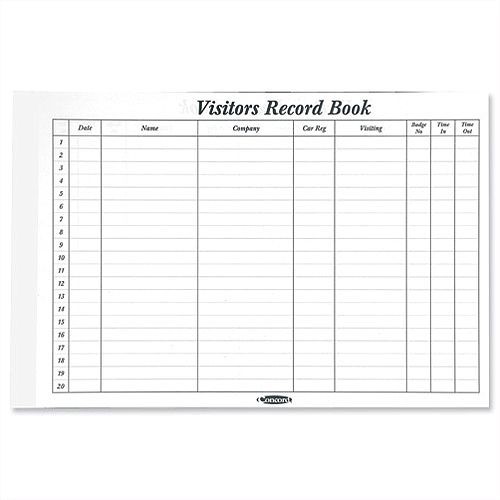
Visitor’s book or record: The visitor’s book contains: the name of the visitor, date of visit, address of the visitor, whom to see, the purpose of the visit, departure and signature of the visitor.
A visitor’s request form or slip: Many organizations require visitors to complete visitor’s request form or slip before they can be attended to. The slip contains information like name and address of the visitor or caller, whom to see, purpose of visit. This will be given to the officer to decide if the person should come in or not.
Business card: A business card usually contains the name of the owner, his company, and his position in the company, his office address and the official telephone number. It is used to: introduce him/ her, save time for completing the visitor’s book
Telephone message pad: The telephone message pad is used to record telephone messages for officers who may not be on their seats or are very busy. It contains information on date and time of call, name and address of the caller, caller’s number and reason for the call.

The diary: A diary is a record book for keeping daily activities. The receptionist uses it to record all future appointments, interviews and meetings. The diary contains spaces with dates for recording daily events and information.
Use of computer by a receptionist
A receptionist must be able to use the computer to do the following:
- Receive messages from different offices
- Send messages especially about visitors request different officers in their offices
- Keep relevant records about his/her activities