Meaning of History
WEEK 1
TOPIC: Meaning of History
The word history is from the Greek word historian, which means to inquire into or knowledge acquired by investigation. Then History can mean an enquiry or research into past events. Therefore, to a layman, History means the study of past events.
According to Merriam-Webster Dictionary, "History is a branch of knowledge that records and explains the past.
Wikipedia defines it as the study of the past as it is described by a written document.
In summary, History is generally defined as the study of the past, relating it to the present to reshape the future. From all the above, it is clear that History studies the past. It brings back the past events so that we can become informed, learn from it, build on it and utilise it to better our present and the future.
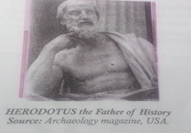
HISTORY MAKERS
History makers are experts who provide resources, academic materials used in getting past events, and analysing them for the purpose of improving society. Among them are:
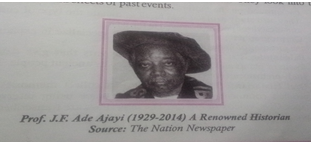
1. Historians: Historians are scholars or researchers who write, study and analyse records and events. They look into the causes and effects of past events.
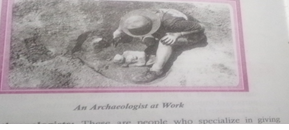
2. Archaeologists: These are experts who study the remains of ancient civilisations. Archaeologists dig for artefacts. Artefacts are objects made by people in the olden days. It could be farming tools, pottery, weaponry, jewelry etc. They reflect the culture and occupation of people who lived in the past.
3. Anthropologists: These are people who specialise in giving background on the cultural history of people of ancient times. They also study artefacts and fossils to dictate the type of culture and lifestyle of people who lived in the past.
4. Cryptographers: These are experts that specialize in explaining the meaning of ancient writings.
5. Palaeontologists: Palaeontologists are experts who give data on fossils of plants and animals encountered by ancient people. They study prehistoric times.
6. Oral Historians: These are people who collect memories and people's commentaries of great importance using interviews, tapes, CDs, videos and so on. The interviews are transcribed and preserved in libraries as archives for research.
SPECIFIC AREAS OF HISTORY
The following are some of the past events that History focuses on;
1. History of a People: How a group of people settled in a place could be traced and known through history. So, in Nigeria, we have a history of the Yorubas, Igbos, Hausas, Ibibios, Fulanis, etc.
2. History of a Nation: Countries of the world have a history of their existence. History had it that Nigeria as a country came into existence in 1914 when the Northern and Southern protectorates were amalgamated. However, Nigeria became an independent nation in 1960 when it gained its independence.
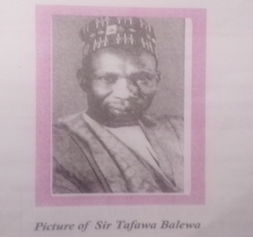
3. History of Individuals: Great men like Chief Obafemi Awolowo, Dr Nnamdi Azikwe, Alhaji Tafawa Balewa and many Nigerian nationalists have their history written either by themselves or by other people.
4. History of Institutions: Universities, Polytechnics, Colleges of Education and so on also have their histories.
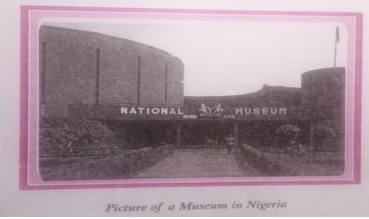
5. History of National Symbols and Monuments: The history of Nigeria's currency, flag, national anthem, museums, parks, etc can be traced for the benefit of the young Nigerians.