
The Solar Energy
Geography SSS1 First Term
Week 2
The Solar Energy
Solar Energy
It is radiant light and heat from the sun harnessed using a range of ever-evolving technologies such as solar heating, photovoltaics, solar thermal energy, solar architecture and artificial photosynthesis. The solar energy consists of the sun and nine planets
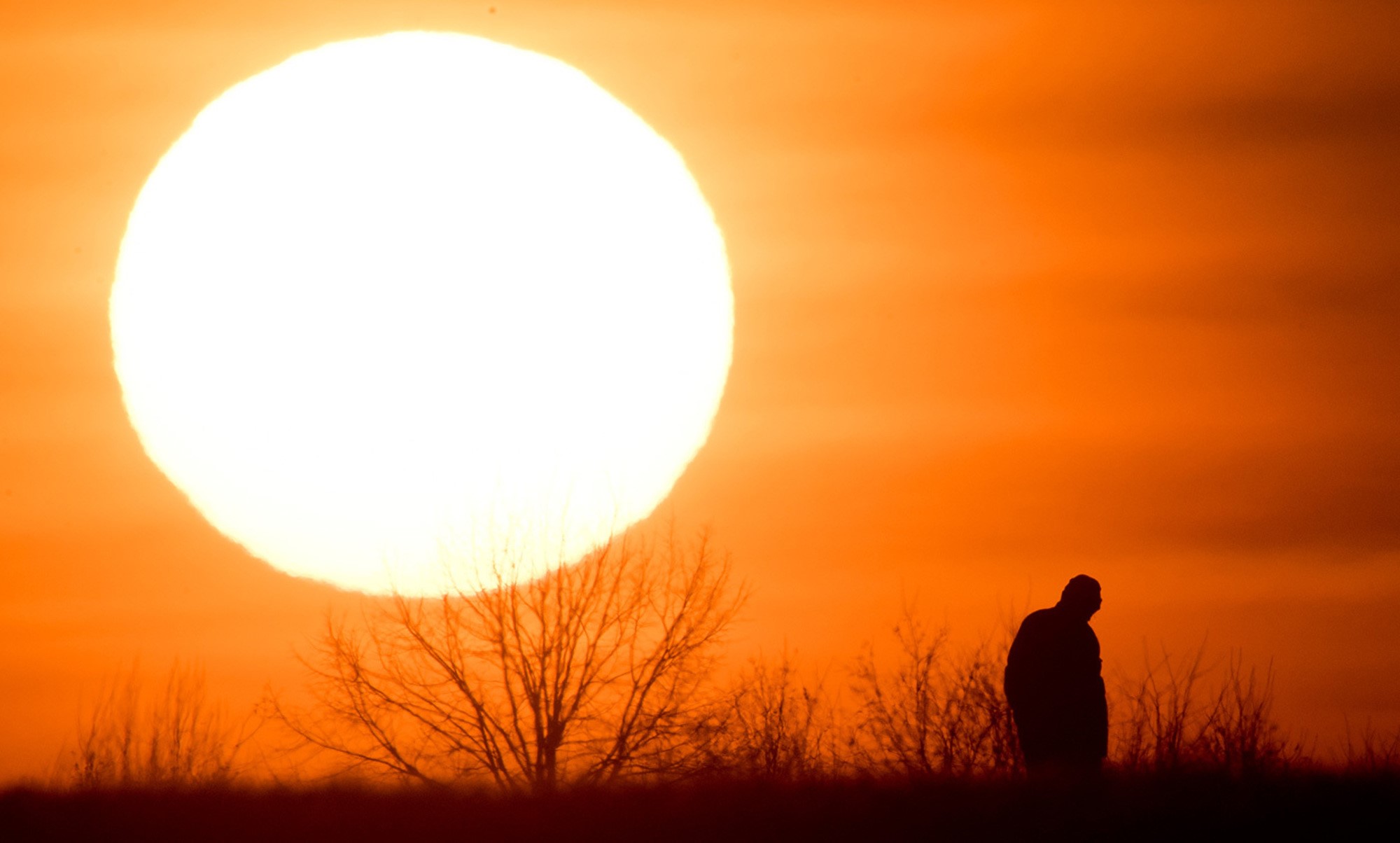
The sun
is the center of the solar system and all the nine planets revolve round it. The nine planets are Mercury, Venus, Earth, Mars, Saturn, Uranus, Neptune ad Pluto. Each of these have its own characteristics, features and content. Some of them have various numbers of moons. Energy from the sun is important to life on earth.
Satellite is a smaller body which moves around a planet. There are natural and artificial satellites. Example of natural satellite is the moon. While artificial satellites are man-made. There are different types according to the purpose they serve.
Galaxies a galaxy is defined as a large system of stars held together by mutual gravitation and isolated from similar systems by vast regions of space.
The solar system is the milky way galaxy, other galaxies are ascending order from the solar systems which include the following: Ursa, Large magellanic cloud, Small magellanic cloud, dwarf etc

The planets and their characteristics
Mercury
Mercury is the smallest, hottest and the closest planet to the sun. The mercury contain no living thing because of its temperature and takes eighty days to complete it orbits. The mercury has the shortest orbits around the sun. The mercury distance from the sun is 57,600,000km (36,000,000miles). The mercury has no satellite
Venus
Venus is the second closest planet to the sun. Venus contain no living things. The Venus is often regarded to the “earth twin” because of their close proximity in size, mass and density. It takes the Venus 225 days to complete its revolution. The Venus distance from the sun is 107,200,000km. The Venus as no satellite
Earth
The earth is the only planets that supports the existence of plants and animals. The earth has natural satellite called the Moon. The moon revolves eastward around the earth once in every 27days. It takes the earth 3651/4days (a year) to completes its orbits. The distance between the earth and the sun is 148,800,000km (93,000,000miles). The distance between the earth and the moon is 384,629km.
Mars
The Mars is believed to be the next planet after the earth to have the possibility to support plant’s life. The mars have two satellites. The distance of the mars from the sun is 227,200,000km. It takes the mars 687 days to complete its orbit.
Jupiter
Jupiter is the largest planet in the solar system. The Jupiter contains gases such as hydrogen and methane with light and dark bands. Jupiter has 12 satellites, the distance between the Jupiter and the sun is 772,800,000km. It takes the Jupiter about 11.9years to complete its orbit around the sun
Saturn
Saturn is the second largest planet after Jupiter. Saturn has 3 rings and 9 satellites. The distance between the Saturn and the sun is 1,417,600,000km. It takes the Saturn 29. Years to complete its orbit
Uranus
Uranus orbits around the sun anticlockwise direction from east to west. Uranus has five satellite which revolve around it. The distance of the Uranus from the sun is 2,854,400,000km. It takes the Uranus 84years o complete its orbit
Neptune
Neptune is very cold and has to satellites. The Neptune distance from the sun is 4,468,800,000km. It takes the Neptune 164.8years to complete it orbits
Pluto
Pluto is the coldest planet and the farthest planet from the sun. Pluto has the longest orbit around the sun. Pluto takes about 247.7years to complete it orbit. The distance of the Pluto from the sun is 5,850,000,000km. Pluto has no satellite.