
Our Values.
Week 1
Topic: Our Values
Objectives: At the end of the lessons, the pupils should be able to
- Define Value
- Mention the ways of making more people own houses
CONTENT
A house is a building in which people live. It usually has several rooms which serve different purposes. Examples of parts of a house are the bedrooms, the living room, the kitchen, the pantry, the toilet, the bathroom, study and corridors.
Types of houses
- Primitive houses. Primitive houses are simple and do not have modern facilities that would make them comfortable. They are, however, habitable. They include:
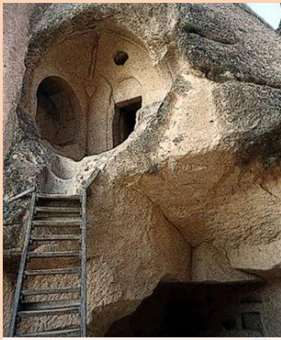
- Caves. Sometimes, primitive people in rocky environments carve out houses for themselves from the rocks.
- Mud houses. Mudhouses are found mainly in African countries and other developing countries. Mud is the major building material. Often mud houses have thatched roofs or zinc roofs. Mud houses can be durable if well-built.

- Huts. A hut is a small simple building with only one or two rooms. It is usually built with mud or wood. Huts are usually found in rural communities.

- Houseboats. In some riverine areas, where housing is scarce and expensive, people live on houseboats. Examples of places where houseboats can be found are China and Hong Kong.

- Houses on stilts. In some riverine areas and places that get flooded often, people raise their houses off the water on stilts. Such houses can be found in parts of Balyesa, Rivers, and Delta States and in some parts of Lagos (on the Lagoon). They can also be found in places like Papua New Guinea and Cambodia.

- Tents. Usually, tents are made of thick cloth or animal hide supported with poles and branches. Tents can be removed and taken to other locations. Some nomadic tribes in North Africa and East Africa live in tents.

Strategies and activities:
Step1: Teacher revised the previous lesson
Step 2: The teacher introduces the new topic
Step 3: The teacher explains the new topic
Step 4: Teacher welcomes pupils’ questions.
Step 5: The teacher evaluates the pupils
Assessment and evaluation
The teacher asks questions from pupils based on the topic
Conclusions
The teacher goes over the topic for better understanding.
Assignment
1. Define house