
Recreation, Leisure and Dance Activities I
Physical and Health Education J.S.S 1 Second Term
Theme:
WEEK 1
Recreation, Leisure and Dance Activities I
Performance Objectives
Students should be able to:
- Define recreation, leisure and dance.
- Differentiate between recreation, leisure and dance.
Content
Recreation
Recreation can be defined as participation in sporting activities during our leisure time through which one may better develop physically, mentally, emotionally and socially. It is voluntary participation in which no monetary gain is expected. It is done after one's daily job usually for fun, enjoyment, social and physical benefits.
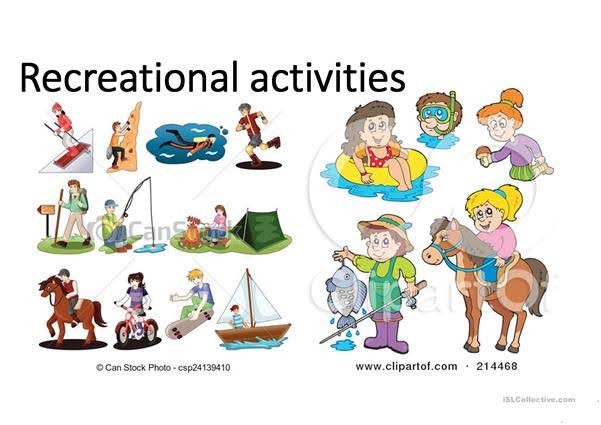
Recreation refers to all those activities that people choose to do to refresh their bodies and minds and make their leisure time more interesting and enjoyable. Examples of recreation activities are walking, swimming, meditation, reading, playing games and dancing.
Consideration for Recreational Activities
1. It must be a leisure activity.
2. Recreational activities must be enjoyable.
3. It must be benefiting.
4. Recreational activities must be voluntary.
5. It must involve the movement of parts of the body.
Factors that can limit the choice of recreation
1. Interest
2. Body type
3. Needs
4. Capability/ability
5. Culture
6. Religion
7. Financial status
8. Availability of facilities and equipment
9. Social status
10. Environment
11. Climate/weather
12. Health status
Aims and Objectives of Recreation
1. It helps to help relax after work
2. To eliminate boredom and reduce tension
3. It helps to develop skills
4. To develop physical fitness
5. It helps correct postural defect
6. To reduce crime and other anti-social behaviour
7. It provides fun and enjoyment
8. To interchange our day-to-day behaviour
Nature and Scope of Recreation
Recreation is grouped into two:
1. Indoor recreational activities
2. Outdoor recreational activities
Indoor recreational activities:
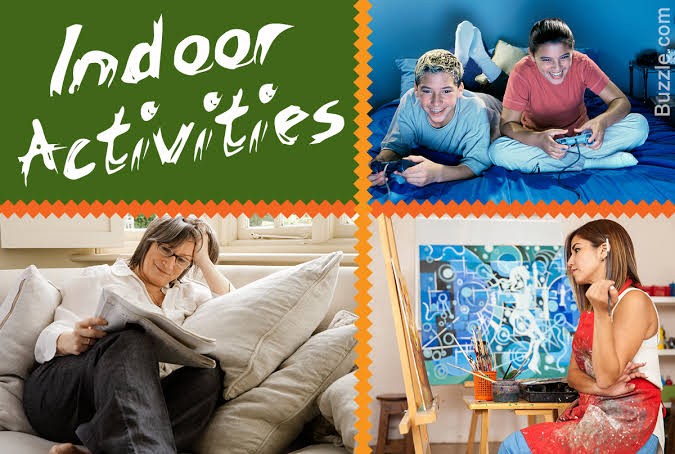
They are performed inside a house, hall or generally under a roof e.g. playing music, drawing and painting, sewing, watching television, playing ludo, draught, snakes and ladders, chess, reading and writing for pleasure, dancing, playing card, singing, etc.
Outdoor recreational activities:
They are performed outside or in the open such as parks, games reserves, sports field, etc. Examples of such games are mountaineering, playing games, walking, jogging, swimming, picnicking, gardening, canoeing, horse riding, hunting, hiking, basket weaving, pottery etc.

LEISURE
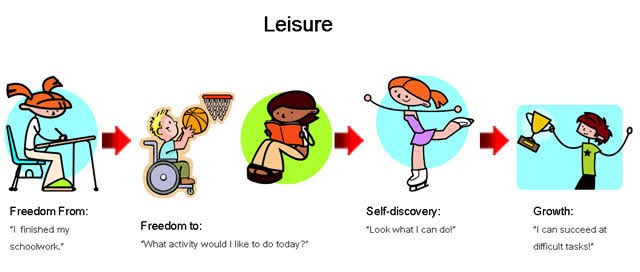
Leisure refers to the free time that people can spend away from their everyday responsibilities (e.g. work and domestic tasks) to rest, relax and enjoy life. It is during leisure time that people participate in recreation and sporting activities.
Rest is a state of being free from activity and disturbance. It helps to prevent tension. The best state of rest is sleep.
DANCE ACTIVITIES
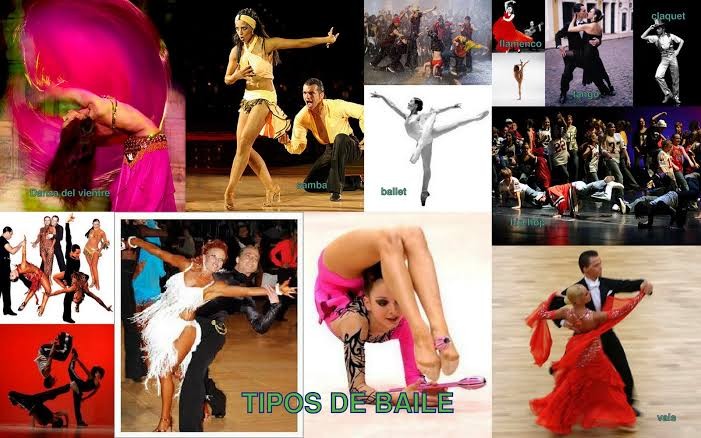
Dance is an act of performing a series of rhythmic movements, usually to music although it could be carried out as a form of exercise. Examples are Atilogwu, Bata and Langa.
Differences between Dance, Leisure and Recreation
|
Recreation |
Leisure |
Dance |
|
Recreation is indulging in thrilling and exciting activities, to derive some pleasure and have fun in one’s leisure time |
Leisure is spare or rests time in the daily life of a person when he is not occupied by work, studies, sleep etc |
Dance is an act of performing a series of rhythmic movements, usually to music |
|
It is an enjoyable, voluntary and socially acceptable for the refreshment of the body and mind. |
Leisure is free time. It is a time which somebody has no obligation or work responsibilities and therefore is free to engage in enjoyable activities. |
As an art skill, it serves as a means of self-expression |
|
It takes place at leisure. |
|
It could be carried out as a form of exercise. |