
Family Traits II
Basic Science JSS3 First term
Sub-theme: learning about our environment
WEEK 2
Family traits II
Performance objectives
Students should be able to:
- Identify dominant and recessive traits in the family.
- State the importance of family traits.
- Draw their family genealogy.
Content
Family traits (genetics)
Identifying dominant and recessive traits in the family
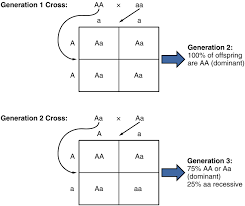
For example, a dominant tall man (AA) marries a short woman (aa), when they reproduce they may not give birth to any short child or children. But the children having the recessive traits or genes may produce short child or children by the second generation. The possibility of the next generation producing a short child is if one of the children (male) with a trait (Aa) grows up and gets married to a lady with a trait (Aa) or (aa), one of their offspring would surely possess a recessive trait. This is illustrated in the diagram below.
Importance of family traits
Intelligence: intelligent parents give birth to intelligent children. This trait seems to be continuous in most of their family generations.
Diseases: the study of family traits has helped in the understanding of some genetic diseases such as albinism, color blindness, sickle cell anemia, etc. prospective spouses are expected to check their genetic makeup before entering into mirage in-order to prevent transmitting genetic diseases.
Resemblance: family traits also help to identify members of a particular family
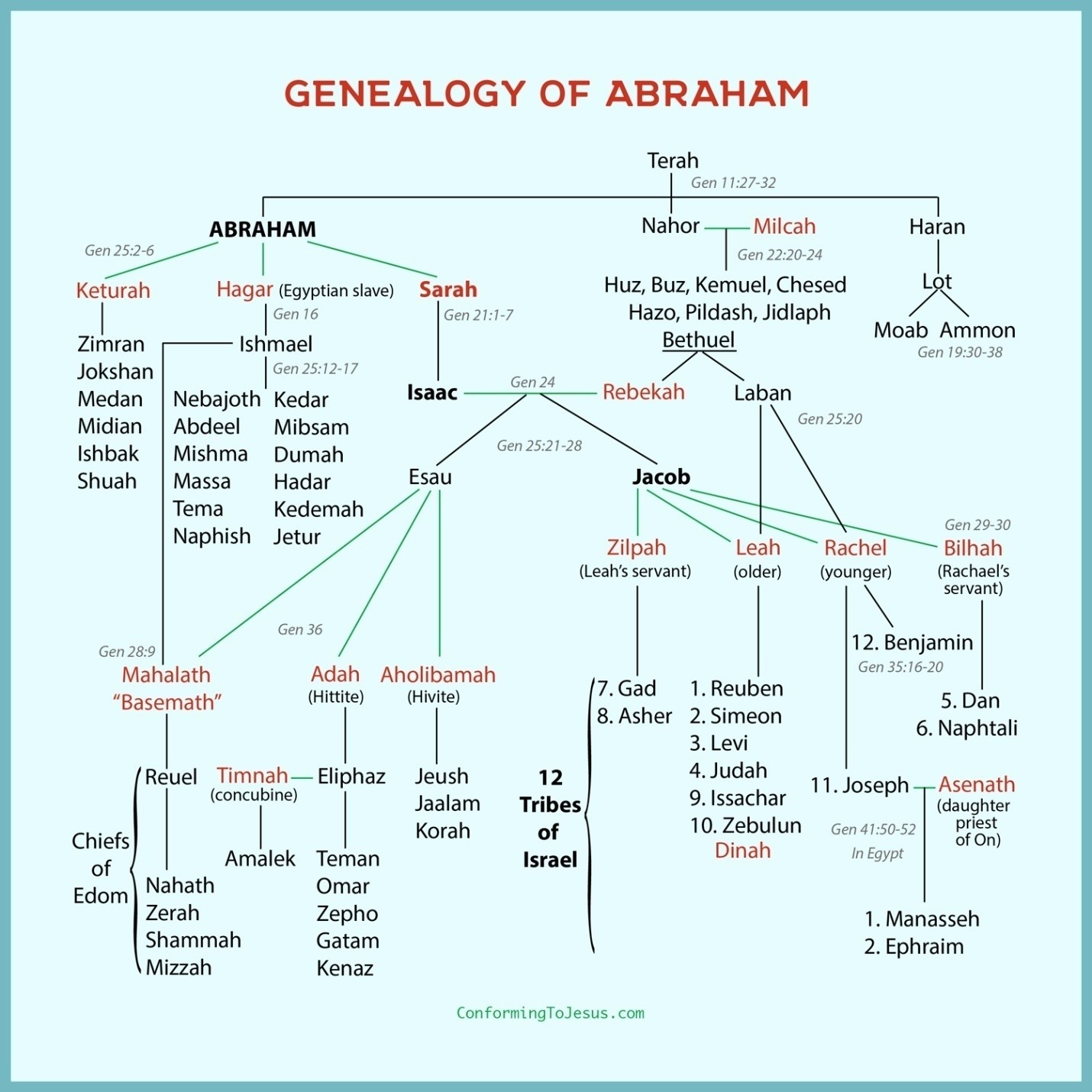
Family genealogy: The term ‘genealogy’ is the study of family ancestors with documentation of birth, marriage, and death date through parents, grandparents, great grandparents, as far back as possible.
One can easily trace a person’s ancestral lineage and predict it's present and future characteristics through the family traits.
An example of a family genealogy